PE rattan is usually the better all-weather choice because it handles exposure and maintenance more easily than natural wicker. Natural wicker works best in sheltered spaces where moisture and sun are less of a problem.
For most outdoor spaces, PE rattan is the more dependable choice for a true all-weather patio conversation set because it handles sun, moisture, and day-to-day exposure better than natural wicker. Natural wicker can still be a beautiful option, but it usually fits best in sheltered areas where weather stress is limited.
- Best all-weather pick: PE rattan is usually the safer choice for open patios and poolside areas.
- Best sheltered-space pick: Natural wicker fits screened porches and protected outdoor rooms.
- Frame matters: Aluminum and rust-resistant coatings can affect durability as much as the weave.
- Cushions count: Outdoor fabric, drainage, and drying time influence comfort and longevity.
PE Rattan vs. Natural Wicker: The Fast Answer for “All-Weather” Patio Conversation Sets
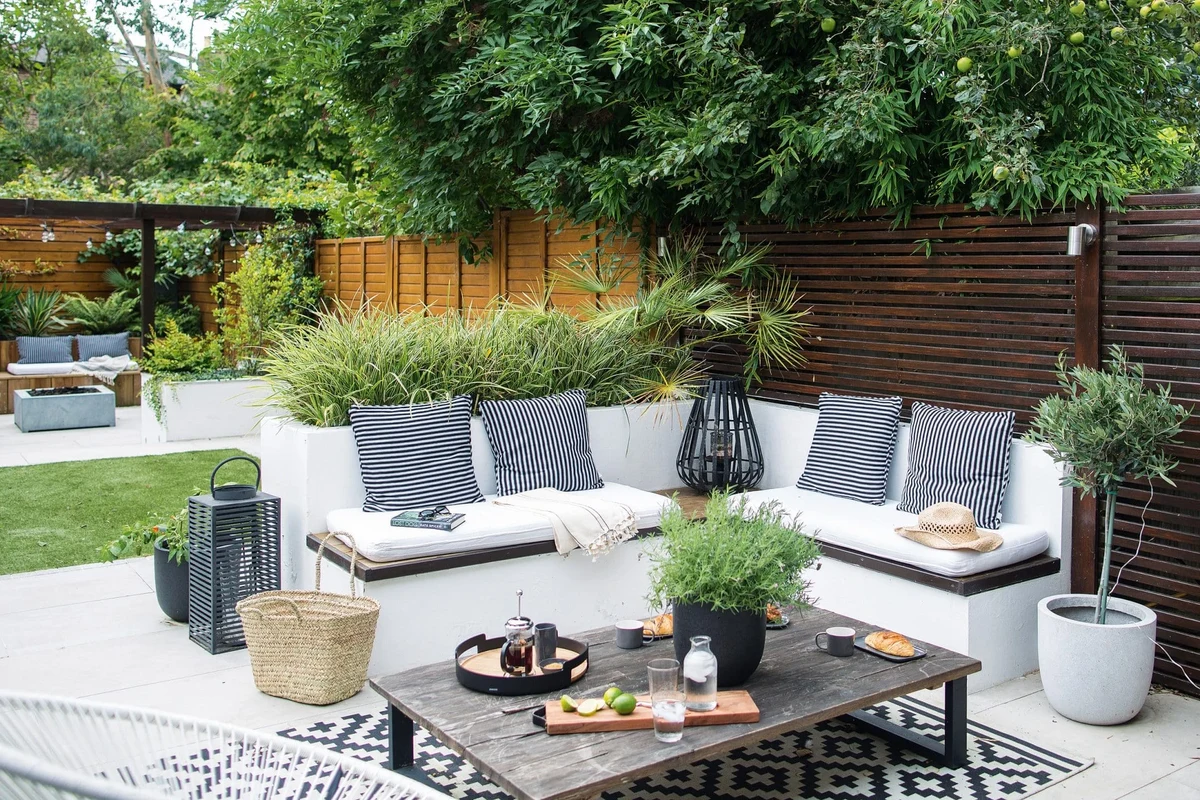
If you are shopping for outdoor seating that can stay outside through changing weather, the material matters as much as the frame and cushions. “All-weather” is a practical label, not a promise that furniture can ignore rain, UV exposure, humidity, wind, and seasonal storage needs.
What “all-weather” really means in 2025 for outdoor seating
In everyday shopping terms, all-weather usually means the furniture is designed to tolerate normal outdoor conditions better than indoor-grade pieces. That can include synthetic wicker, weather-resistant frames, quick-drying cushions, and coatings meant to slow rust or fading.
It does not usually mean maintenance-free. Even outdoor-rated furniture benefits from covers, cleaning, and periodic checks for loose hardware, worn feet, frayed weave, or waterlogged cushions.
The short verdict: PE rattan is usually the safer pick for exposed patios
PE rattan, also called synthetic rattan or resin wicker in many listings, is generally the better fit for open patios, pool decks, and spaces that see frequent weather swings. Natural wicker has a softer, organic look, but it is more vulnerable to moisture, mildew, and fiber breakdown.
How PE Rattan and Natural Wicker Are Made—and Why That Affects Durability
The difference between these materials starts at the fiber level. One is synthetic and engineered for outdoor use; the other is made from natural plant-based fibers that depend far more on dry, protected conditions.
PE rattan construction: synthetic weave, UV resistance, and moisture tolerance
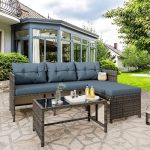
PE rattan is typically made from polyethylene strands woven over a frame. Because it is synthetic, it usually resists moisture better than natural fibers and is easier to wipe clean after dust, pollen, or spills.
Many manufacturers also market UV resistance, but that claim can vary by model, pigment, weave density, and climate. If color retention matters, check the product details and warranty terms rather than assuming every “all-weather” label means the same thing.
Natural wicker construction: organic fibers, breathable texture, and weather sensitivity
Natural wicker is made from plant-based materials such as rattan, reed, willow, or bamboo-style fibers depending on the product. It often has a more handcrafted, textured appearance that many homeowners find warmer and more furniture-like.
The trade-off is weather sensitivity. Natural fibers can absorb moisture, swell, dry unevenly, crack, or develop mildew when exposed to damp conditions or repeated temperature swings.
Frame materials that matter too: aluminum, steel, and rust-resistant coatings
The weave is only part of the story. A patio conversation set with a weak frame may fail long before the wicker itself wears out, especially if the frame rusts, bends, or loosens at the joints.
Aluminum is often favored for outdoor furniture because it resists rust, while steel can be durable but usually depends more on protective coatings and careful upkeep. If the frame is steel, the quality of the finish and the condition of welds and fasteners matter a lot in humid or coastal areas.
Where Each Material Fits Best in a Backyard or Patio Layout
Where you place the set can make as much difference as the material itself. A protected porch and a fully exposed patio create very different wear patterns over time.
Best placements for PE rattan: open patios, poolside zones, and covered decks
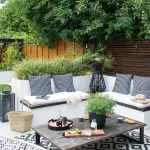
PE rattan is usually the more flexible option for spaces that see direct sun, occasional rain, splashes, or drifting debris. It works well where people want the look of woven furniture without committing to a highly protected location.
That said, “more weather-resistant” is not the same as invincible. A covered deck or a spot under an overhang can still extend the life of cushions, hardware, and finishes.
Best placements for natural wicker: screened porches, sunrooms, and fully sheltered spaces
Natural wicker makes the most sense in spaces that are mostly protected from rain and heavy humidity, such as screened porches, enclosed patios, or sunrooms with limited direct exposure. In those settings, the material can deliver its visual appeal without taking on constant weather stress.
If your space is only partially covered, think carefully about wind-driven rain, morning dew, and seasonal moisture. Those small exposures add up.
Dimensions, traffic flow, and spacing for conversation sets around tables, fire pits, or loungers
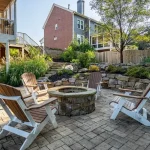
Before buying, measure the usable footprint of the seating area, not just the total patio. Leave room for walking paths, chair pull-back space, side tables, and any nearby features like a fire pit or outdoor heater.
Use painter’s tape or chalk to outline the set size on the patio so you can visualize traffic flow before you order.
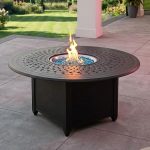
If the set will share space with a fire feature or heater, follow the manufacturer’s instructions and local rules for placement, clearance, and ventilation. Those requirements vary by product and jurisdiction.
What to Compare Before Buying a Patio Conversation Set
“All-weather” claims can sound similar across listings, but the details behind them are not always equal. A good buying decision comes from comparing exposure, cushions, stability, and style together.
Weather exposure: sun, rain, humidity, salt air, and freeze-thaw cycles
Think about the harshest conditions your furniture will face, not the average day. Strong sun can fade finishes, humidity can encourage mildew, salt air can speed corrosion, and freeze-thaw cycles can stress frames, joints, and cushions.
If you live near the coast or in a region with frequent storms, ask whether the frame, weave, and hardware are specifically suited to that environment. Manufacturer claims are helpful, but they are not a substitute for climate-specific judgment.
Cushion specs: foam density, fabric type, zipper quality, and water resistance
Cushions often determine whether a set feels comfortable after one season or several. Look for outdoor-specific fabric, removable covers when available, and construction that helps moisture escape instead of trapping it.
Water-resistant does not mean waterproof. If cushions are left out during rain, they may still need time to dry fully, and some foam cores can hold moisture longer than the cover suggests.
Weight, stability, and assembly requirements for everyday use
Heavier furniture can feel more stable in wind, but it may be harder to move for cleaning or storage. Lighter pieces are easier to rearrange but may need more attention in stormy weather.
Assembly quality matters too. Check whether the set uses simple bolts, alignment pins, leveling feet, or adjustable glides, and make sure you can access the hardware for future tightening.
Style, colorfastness, and how closely the set matches your outdoor design
Style is not just about looks; it affects long-term satisfaction. A set that matches your home’s siding, deck tone, or garden layout is more likely to feel intentional rather than temporary.
Colorfastness is worth considering if the set will sit in direct light. Darker shades may show fading differently than lighter ones, and textured weaves can hide wear better than smooth finishes.
- Confirm material type, frame material, cushion fabric, and hardware finish
- Measure the space and verify clearances around doors, walkways, and heat sources
- Check warranty terms, care instructions, and return policy before ordering
Real-World Benefits and Trade-Offs of Each Material
Neither material is perfect. The right choice depends on how much weather exposure you expect, how much upkeep you want, and whether the set is meant to be decorative, heavily used, or both.
Why PE rattan often wins on low maintenance and year-round convenience
PE rattan usually wins because it is easier to rinse, brush, and cover. It tends to handle the practical mess of outdoor living better, including dust, spilled drinks, pollen, and the occasional stormy week.
For families and frequent hosts, that convenience matters. When furniture is used often, the material needs to recover quickly from everyday wear instead of demanding delicate handling.
Why natural wicker still appeals for texture, charm, and indoor-outdoor style continuity
Natural wicker remains appealing because it brings a softer, more traditional look that many people associate with relaxed porches and refined indoor-outdoor spaces. It can make a seating area feel less synthetic and more layered.
That visual warmth is its biggest advantage. If your patio is essentially an extension of a sunroom or screened porch, natural wicker can fit beautifully.
Common limitations: fading, cracking, mildew, fraying, and frame corrosion
With either material, the weak link is often exposure and maintenance. UV stress can fade color, moisture can encourage mildew, and repeated drying cycles can weaken fibers over time.
Natural wicker is more prone to fraying and moisture damage, while PE rattan can still crack or become brittle if the material quality is poor or the frame corrodes underneath it. The frame, not just the weave, deserves attention.
Evidence limits: why manufacturer claims and care instructions still matter most
Without verified lab testing for a specific model, the safest approach is to rely on the product’s official specifications, care guide, warranty, and any current recall information. Marketing language like “all-weather” or “UV-resistant” should be treated as a starting point, not the final answer.
Performance can vary by weave density, frame coating, cushion construction, and local climate, so model-specific documentation matters more than broad category labels.
Setup, Placement, and Safe Use in Different Weather Conditions
Good setup habits help outdoor furniture last longer and feel safer to use. Even a durable set can shift, wobble, or wear unevenly if it is placed on an uneven surface or left exposed to repeated water pooling.
Assembly basics: checking hardware, leveling feet, and tightening schedules
After assembly, confirm that every fastener is seated correctly and that the frame sits level. If the set includes adjustable feet, use them to reduce rocking on pavers, concrete, or slightly sloped surfaces.
Recheck hardware periodically, especially after the first few weeks of use and after seasonal temperature changes. Outdoor furniture naturally settles, and fasteners can loosen over time.
Placement rules for drainage, airflow, and avoiding standing water
Place the set where water can drain away instead of pooling under the legs. Good airflow also helps cushions and woven surfaces dry faster after damp weather or cleaning.
- Set furniture on a surface that drains well
- Allow room for air circulation under and around cushions
- Leaving furniture in standing water
- Pushing pieces so tightly together that moisture gets trapped
Wind, storms, and seasonal exposure: when to secure, cover, or move the set
Wind can move lightweight chairs, flip side tables, and stress woven panels. If storms are expected, secure loose pieces, remove cushions, and use covers only if they are designed to breathe and fit properly.
In harsher climates, seasonal storage may be the best protection. Even weather-resistant furniture lasts longer when it is not left out through the most punishing conditions.
Clearances and local considerations if pairing the set with a fire pit or patio heater
If your conversation set will sit near a fire pit or patio heater, verify the exact clearance requirements in the product manual and follow local fire rules, HOA restrictions, and burn bans. Those rules can change with fuel type, surface material, and weather conditions.
Do not place outdoor furniture in a way that blocks ventilation, creates a tripping hazard near heat sources, or violates the manufacturer’s clearance instructions.
Cleaning, Maintenance, and Seasonal Storage Guide
Maintenance is where many outdoor furniture purchases succeed or fail. A simple routine can preserve both appearance and function, especially if you live where the weather changes often.
Routine cleaning for PE rattan: soap, soft brush, and gentle rinsing
PE rattan usually responds well to mild soap, a soft brush, and a gentle rinse. The goal is to remove grime without forcing water into seams, cushions, or hidden hardware.
Avoid abrasive scrubbers or harsh cleaners unless the manufacturer specifically allows them. Strong chemicals can dull finishes or weaken protective coatings.
Routine cleaning for natural wicker: dry dusting, minimal moisture, and mold prevention
Natural wicker should generally be cleaned with a dry cloth, soft brush, or vacuum attachment on a low setting. If light damp cleaning is allowed by the manufacturer, use as little moisture as possible and dry the piece thoroughly afterward.
Mold prevention is especially important. If the furniture feels damp for long periods, move it to a drier location and improve airflow before the problem spreads.
Cushion care: washing covers, drying thoroughly, and preventing trapped moisture
If cushion covers are removable, follow the care label exactly. Even when covers are washable, the foam inside may need more time to dry than the fabric exterior.
After rain or cleaning, open zippers and stand cushions on edge so hidden moisture can escape faster.
Never store cushions that still feel cool, damp, or heavy with moisture. Trapped water is a common cause of odor, mildew, and shortened cushion life.
Off-season storage: covers, garage storage, stacking limits, and humidity control
When storing the set, use breathable covers if recommended and avoid stacking pieces in a way that bends the weave or compresses cushions for long periods. If you store furniture in a garage, basement, or shed, keep humidity in mind.
High humidity can still affect natural fibers, fabrics, and metal hardware even indoors. If possible, choose a dry, ventilated space and inspect the set before the next season begins.
Final Recommendation: Which “All-Weather” Patio Set Is Worth It for Your Space?
The best material depends less on marketing language and more on how exposed your patio really is. A set that looks great in a catalog may behave very differently on a sunny, windy, or damp property.
Best choice for most buyers: PE rattan conversation sets
For most homeowners, renters, and frequent hosts, PE rattan is the more practical all-weather option. It usually offers the best balance of weather tolerance, easy upkeep, and broad placement flexibility.
Best choice for sheltered spaces: natural wicker conversation sets
Natural wicker is still a strong choice when the furniture will live in a screened porch, enclosed patio, or other protected area. In those settings, its texture and warmth can be a real advantage without taking on as much weather risk.
Buying takeaway from Ethan Walker: match the material to your exposure, not just your style
My editorial takeaway is simple: choose the material that fits your actual conditions, then verify the frame, cushions, and care requirements before you buy. If the space is exposed, PE rattan is usually the safer long-term bet; if the space is sheltered, natural wicker can be the more appealing fit.
PE rattan is the better all-weather choice for most open patios because it handles moisture and routine outdoor wear more confidently. Natural wicker is best reserved for protected spaces where style matters more than exposure resistance.
Frequently Asked Questions
Usually yes, especially for exposed patios. PE rattan is generally more moisture-tolerant and easier to maintain than natural wicker.
Natural wicker is best in sheltered spaces like screened porches, sunrooms, or fully covered patios. It is more sensitive to moisture and weather swings.
Check the frame material, cushion fabric, weather exposure, assembly needs, warranty, and care instructions. Also confirm the set fits your space and traffic flow.
Use mild soap, a soft brush, and gentle rinsing. Avoid harsh cleaners or abrasive tools unless the manufacturer specifically allows them.
It is not ideal for repeated rain or damp conditions. Natural wicker can absorb moisture, which may lead to mildew, swelling, or cracking over time.
Verify the exact clearance requirements in the product manual and follow local fire rules and weather restrictions. Do not assume generic spacing works for every model or setup.