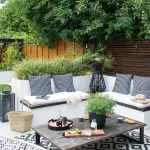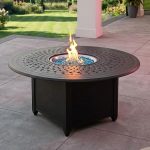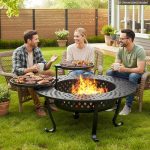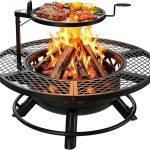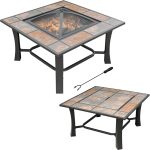
Arrange the fire pit on a stable, approved surface and place wicker seating in a circle or U-shape with the manual’s clearance kept clear. The safest setup leaves room for heat, airflow, and walking paths while keeping cushions and accessories outside the hot zone.
Arranging a wicker patio conversation set around a fire pit safely comes down to three things: verify the fire pit’s rules, leave enough clearance for heat and movement, and choose furniture that can handle outdoor exposure without crowding the space. The safest layout is usually a balanced seating ring or U-shape that keeps people close enough to talk comfortably while staying outside the manufacturer’s required clearance zone.
- Start with the manual: Fire pit type, fuel, and local rules determine the safe layout.
- Keep clearances open: Leave space for heat, airflow, and easy movement around the seating area.
- Choose weather-ready wicker: Resin wicker, durable frames, and outdoor cushions handle backyard use better.
- Use simple shapes: Circle, U-shape, or L-shape layouts work best for most patios.
- Inspect regularly: Watch for heat damage, loose feet, rust, and worn cushions over time.
How to Arrange a Wicker Patio Conversation Set Around a Fire Pit Safely
Quick answer: the safest layout, spacing, and why it works
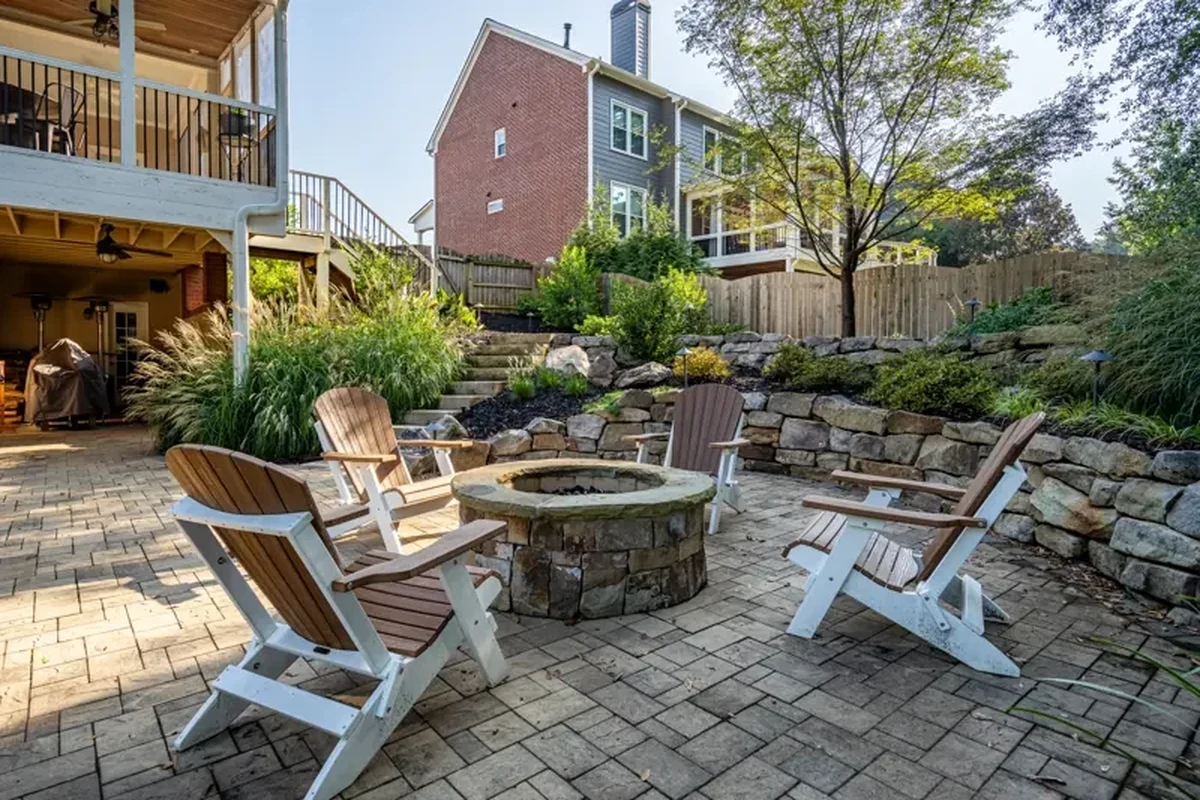
The safest setup is a fire pit centered in an open, nonflammable area with chairs arranged evenly around it, leaving the clearance required by the fire pit manual and local rules. In practice, that usually means keeping wicker furniture far enough away that heat does not constantly hit the cushions, arms, or frame, while still allowing easy conversation and safe walking paths.
What this guide covers for 2025 homeowners and renters
This guide is for anyone setting up a backyard, patio, deck, or rental-friendly outdoor space with a wicker conversation set and a fire pit. It focuses on layout, spacing, material choices, traffic flow, and maintenance, with the understanding that the exact safety rules depend on your fire pit type, surface, and local code.
Think of this as a placement guide first and a style guide second. A beautiful seating arrangement only works if it respects heat, wind, and clearance rules.
Start with the Fire Pit Type, Fuel, and Placement Rules
Wood-burning vs. propane vs. natural gas: safety differences that affect layout
Fire pit fuel type changes how much space you need and how you position furniture. Wood-burning models can throw sparks and embers, so they usually need the most open space and the most caution around cushions, rugs, and overhead items. Propane and natural gas fire pits often produce a more controlled flame, but they still create radiant heat, and the manual may require specific side and overhead clearances.
Surface requirements: patio, deck, pavers, gravel, or concrete
Set the fire pit only on a surface approved by the manufacturer. Many homeowners use concrete, pavers, or other noncombustible surfaces, while decks and wood surfaces may require a model specifically approved for that location or additional protective measures described in the manual. Gravel can work in some setups, but the base must be level and stable enough to keep the fire pit and seating area secure.
Clearances to verify in the manual and local fire code before setting up
Do not rely on a universal clearance number. The safe distance depends on the fire pit design, fuel source, local fire code, HOA rules, and any burn restrictions in effect where you live. Check the manufacturer’s installation and use instructions first, then confirm whether your city, county, landlord, or HOA adds stricter rules.
Never assume a “small” fire pit can sit closer to wicker furniture just because the flame looks contained. Radiant heat, sparks, and hot surfaces can still damage cushions or create a fire hazard.
Ventilation, wind exposure, and where the fire pit should not go
Place the fire pit where air can move freely and smoke can disperse. Avoid enclosed patios, screened spaces without proper ventilation, low overhangs, and spots where wind regularly pushes flames or embers toward seating, fences, or the house. If your yard is especially windy, a layout that looks good on paper may still be unsafe in real use.
Measure the Space and Map the Conversation Zone
Minimum dimensions for the fire pit, chairs, walkways, and side tables
Measure the full zone, not just the fire pit footprint. You need room for the pit itself, the furniture circle or section, and clear walking paths so guests do not squeeze behind chairs or step too close to the heat. Side tables, ottomans, and serving trays should fit without forcing the seating closer than the manual allows.
How to keep seating close enough for comfort but far enough for heat safety
The goal is comfortable conversation, not maximum closeness. If guests feel too much heat on their knees, shins, or faces, the chairs are too close or the pit is too intense for that layout. A better approach is to start with a wider ring, then move chairs inward only if the manual and the heat level allow it.
Mark the intended fire pit location and chair positions with tape or temporary markers before moving furniture. That makes it easier to spot cramped walkways, awkward angles, and clearance problems before anything is permanently arranged.
Best shapes for different yards: square, rectangular, and circular layouts
Circular layouts work well for centered fire pits and balanced conversation. Square or rectangular patios often suit an L-shaped or U-shaped arrangement better, especially if the fire pit sits off-center or the yard has a defined entertaining zone. The best shape is the one that keeps the group facing inward without forcing anyone into a tight corner.
Traffic flow, entry points, and keeping kids and pets out of the hot zone
Leave at least one clear entry and exit path so people do not have to cross behind chairs near the flame. If children or pets use the space, keep the most accessible seats slightly farther from the fire and avoid placing toys, pet beds, or decorative items near the pit. A clear boundary helps everyone understand where the hot zone begins.
Choose the Right Wicker Patio Conversation Set for Fire Pit Use
Material considerations: resin wicker, frames, cushions, and heat resistance
Most outdoor wicker sets use resin wicker over an aluminum or steel frame, but not all materials behave the same near heat. Resin wicker can soften, fade, or warp if it sits too close to a fire pit, and cushion fabrics can be damaged by sparks or sustained warmth. Look for outdoor-rated materials, quick-drying cushions, and frames that are designed for year-round exposure if your climate demands it.
Seat depth, arm height, and chair weight for stable placement around a fire pit
Comfort matters, but so does stability. Deep seats can be relaxing, yet they may encourage guests to lean back away from the fire and then scoot forward too close later. Chairs that are too light can shift in wind or on uneven pavers, while arms that sit too high may make the arrangement feel cramped around a small fire pit.
Weather exposure, UV resistance, and how much maintenance to expect
Wicker furniture lives outdoors, so sunlight, moisture, and temperature swings matter. UV resistance, water-resistant cushions, and rust-resistant frames can reduce upkeep, but no outdoor set is maintenance-free. If your patio is uncovered, expect to clean more often and use covers or storage more consistently.
- Confirm the set dimensions, seat depth, and table size fit your layout
- Check frame material, cushion fabric, and weather-resistance claims
- Verify fire pit clearances, surface compatibility, and local rules
- Plan for storage, covers, cleaning, and seasonal maintenance
Buying criteria that matter most: size, durability, comfort, and value
For fire pit use, size and layout flexibility matter more than decorative details. Durability should come next, especially if the set will stay outdoors through heat, rain, or strong sun. Comfort still matters, but the best value is usually a set that fits your space well, survives the weather, and does not force risky placement around the fire.
Safe Arrangement Patterns That Work in Real Backyards
Classic circle layout for balanced heat and conversation
A circle layout is the simplest option when the fire pit is centered in an open patio. It creates equal sightlines, keeps conversation natural, and makes it easier to monitor spacing on all sides. This pattern works best when the patio is large enough to preserve walkways outside the seating ring.
L-shaped or sectional layout for larger patios and corner zones
An L-shaped arrangement can work well when the fire pit sits near one side of a larger patio or when a sectional already defines the space. The open side of the “L” should still leave enough room for people to move around safely and for heat to dissipate. This layout is usually better for lounging than for perfectly equal conversation spacing.
U-shaped layout for social gatherings and easier supervision
A U-shape is often the most practical family-friendly arrangement because it keeps everyone facing inward and leaves one open side for access. That open side makes it easier to supervise children, pass drinks, and approach the fire pit without weaving through chairs. Just make sure the open side does not become a shortcut through the hot zone.
Spacing tips for cushions, ottomans, coffee tables, and fire pit accessories
Keep accessories outside the heat zone unless the manual says otherwise. Ottomans, low stools, and coffee tables should not block access to the fire pit or create a cluttered center area that traps heat. If you use decorative lanterns, blankets, or storage baskets, place them far enough away that they cannot be exposed to sparks or intense radiant heat.
- Use a layout that preserves clear walking paths
- Keep cushions and accessories outside the heat zone
- Check wind direction before lighting the fire pit
- Crowding the center with extra furniture or décor
- Blocking access to the fire pit with ottomans or tables
- Moving chairs closer just to “make it cozier”
Common Mistakes to Avoid When Setting Up a Fire Pit Seating Area
Placing wicker furniture too close to direct flame or radiant heat
The most common mistake is assuming a controlled flame means a safe close-up layout. Even without direct contact, heat can dry out cushions, discolor wicker, and make seating uncomfortable or unsafe. If people naturally lean away from the fire, that is a sign the chairs are too close.
Blocking airflow around the fire pit or crowding the area with décor
Fire pits need breathing room. Overcrowding the area with planters, rugs, baskets, and extra tables can restrict airflow and make the space feel hotter, smokier, and harder to move through. A clean layout is usually safer and more comfortable than a heavily decorated one.
Using unstable surfaces, uneven pavers, or flammable rugs incorrectly
Uneven ground can cause chairs to wobble and the fire pit to sit improperly. Flammable rugs or mats should only be used if they are appropriate for the surface and the manufacturer allows them; otherwise, they can become a heat or ignition risk. A level, noncombustible base is the safer starting point.
Ignoring spark risk, overhead clearance, and wind direction
Wood-burning pits need extra caution because sparks can travel farther than expected. Overhead clearances matter too, especially near pergolas, branches, umbrellas, and rooflines. If wind is pushing smoke or embers toward the seating area, it is better to postpone use or change the setup.
If your fire pit is smoking heavily, tipping, damaged, or producing an unusual flame pattern, stop using it and follow the manufacturer’s inspection guidance before relighting.
Safe Use, Maintenance, and Seasonal Care for Wicker Furniture and Fire Pit Areas
Cleaning resin wicker, cushions, and metal frames without causing damage
Use gentle cleaning methods that match the material. Resin wicker usually does best with mild soap, water, and a soft brush or cloth, while cushions may need spot cleaning based on the fabric care label. Avoid harsh cleaners that can weaken finishes, fade color, or damage stitching and frame coatings.
Protective covers, storage, and off-season setup for rain, snow, and UV
Covers help, but they are not a substitute for smart storage. If your area gets heavy rain, snow, or intense sun, store cushions indoors when possible and use fitted covers for the frame and fire pit between uses. Good storage habits can extend the life of the set and reduce the chance of mold, rust, or UV fading.
Shutdown steps for propane and gas fire pits; ash handling for wood-burning models
Follow the manual every time you shut down the fire pit. Propane and gas models should be turned off at the control and at the fuel source if the instructions call for it, while wood-burning units need complete extinguishing and time to cool before ash handling. Never move hot ash into a container that is not intended for heat.
Inspecting wear, loose feet, frayed cushions, rust, and heat damage over time
Check the set regularly for loose chair feet, frayed fabric, warped wicker, rust, or discoloration near the fire-facing side. Small problems can become bigger safety issues if they affect stability or expose materials to more heat than they can handle. If the furniture or fire pit shows damage, repair or replace it according to the manufacturer’s guidance.
Stop using damaged outdoor equipment and follow the manufacturer’s inspection or service guidance. If you see rusted gas parts, cracked burners, or unstable furniture frames, address the problem before the next use.
Final Recommendation: The Best Layout for Safety, Comfort, and Long-Term Value
Best choice for small patios, family yards, and entertaining spaces
For most homes, the best layout is a simple circular or U-shaped seating arrangement around a fire pit placed on a stable, noncombustible surface with clear walkways. That approach usually gives you the best balance of comfort, visibility, and safety without overcomplicating the space.
When to choose a different furniture arrangement or a different fire feature
If your patio is too small to maintain the required clearances, a fire pit may not be the right fit for that area. In that case, consider a different seating plan, a smaller outdoor heating option that is approved for your space, or a non-fire focal point such as a coffee table, planter grouping, or lighting feature.
Practical verdict on balancing style, safety, and everyday usability
The safest and most useful setup is the one that respects the fire pit manual first and the furniture layout second. If you keep the space open, choose weather-ready wicker, and avoid crowding the heat zone, you can create a comfortable conversation area that works well for everyday use and occasional entertaining.
Frequently Asked Questions
Use the clearance in the fire pit manual and local rules first, since there is no universal safe distance. Keep wicker, cushions, and accessories far enough away that they do not feel sustained radiant heat.
Yes, if the fire pit is approved for your surface and you keep the required clearances. Propane models still produce heat, so layout and ventilation matter just as much as with other fuel types.
Resin wicker is made for outdoor use, but it is not fireproof. It should stay outside the heat zone and away from sparks, hot surfaces, and direct flame.
A simple U-shape or open circle usually works best because it preserves conversation and access. The key is to keep clear walkways and avoid crowding the fire pit.
Only if the fire pit is specifically approved for deck use and your local rules allow it. Check the manual carefully, because deck placement and furniture spacing depend on the exact model and surface.
Clean it gently, store cushions when possible, and use covers during bad weather or long periods of nonuse. Inspect regularly for heat damage, rust, loose feet, or worn fabric.