How do smokeless fire pits work, and why do they usually produce less visible smoke than a traditional backyard fire pit? The answer comes down to controlled airflow, a hot burn chamber, and secondary combustion. These features help burn gases and tiny particles that would otherwise leave the fire as smoke.
Smokeless fire pits use a double-wall body and carefully placed air vents to feed oxygen into the fire from below and above. The lower airflow supports the main wood fire. As the walls heat up, air traveling between them becomes hot and exits through upper holes. That preheated oxygen helps ignite unburned gases and smoke particles above the flames. This second burn is called secondary combustion. It reduces visible smoke, but it does not make the fire pit completely smoke-free.
What Are Smokeless Fire Pits?
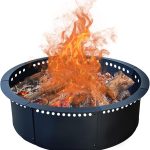
Smokeless fire pits are outdoor wood-burning fire pits designed to improve combustion and reduce the amount of visible smoke drifting toward people nearby. Most models use a round, double-wall metal body with intake vents near the base and another row of vents near the top of the inner wall.
The word “smokeless” is a useful description, but it should not be taken literally. Any wood fire can smoke, especially during startup, when damp wood is used, or when the flames are starved of oxygen. A better description would be “low-smoke fire pit.”
These fire pits are popular around patios, campsites, and backyard seating areas because less smoke can mean fewer stinging eyes, less odor on clothing, and less chair-moving when the wind changes.
How the Airflow System Works
The design moves air through two paths. One sends fresh air to the fuel bed. The other carries air between the walls, heating it before it enters the upper burn chamber.
Air Enters Through the Lower Vents
Openings near the bottom pull in outside air. Some flows beneath or around the wood, supporting the main flames and helping the fuel burn more completely.
Air Rises Inside the Double Wall
Other incoming air rises through the gap between the hot walls. As it heats, it creates a natural draft similar to warm air rising through a chimney.
Hot Air Exits Through Upper Vents
The heated air exits through holes near the upper inside edge. These oxygen jets help ignite gases and fine particles that escaped the first burn.
The fire pit depends on open airflow. Blocking the lower vents with ash, soil, a solid liner, or tightly packed fuel can weaken the draft and increase smoke.
Secondary Combustion Explained
As wood heats, it releases moisture and combustible gases. In an inefficient fire, some gases cool before burning completely, mix with tiny particles, and leave as visible smoke.
Secondary combustion gives those unburned materials another chance to ignite. The upper vents inject preheated oxygen into the hottest area above the fuel. When the temperature, oxygen level, and fuel gases are properly balanced, you may see small flames curling inward from the upper vent holes.
Those upper flames show the second burn is active. They cannot eliminate every particle, but they reduce smoke from a cooler or oxygen-starved fire.
The process improves after the pit warms up. Startup smoke is common while the wood and metal are cool. A strong coal bed and hot walls support better secondary combustion.
Build a small, well-spaced starter fire instead of filling the pit immediately. A fast, hot startup helps warm the walls and establish the draft needed for secondary combustion.
Why Smokeless Fire Pits Produce Less Smoke
Traditional open pits lose heat in many directions, and wind can disturb the flame. Smokeless designs concentrate heat and guide oxygen toward the main fire and rising gases.
Four factors make the biggest difference:
- More oxygen at the fuel bed: Lower vents help the main fire burn strongly rather than smolder.
- Preheated secondary air: Warm oxygen is introduced where smoke gases collect above the wood.
- Higher chamber temperature: The enclosed metal body retains heat and supports more complete combustion.
- Controlled draft: The vent layout encourages air to move through the fire pit instead of relying only on changing wind.
Fuel quality still matters. Dry, seasoned wood burns cleaner than wet wood. Trash, treated lumber, leaves, and unsuitable debris can create smoke, sparks, odors, or harmful fumes. Use only manufacturer-approved fuel.
The fire pit reduces smoke by improving combustion. It cannot compensate for wet fuel, blocked vents, poor fire-building habits, or unsuitable weather.
Smokeless Fire Pit vs. Traditional Fire Pit
| Feature | Smokeless Fire Pit | Traditional Open Fire Pit |
|---|---|---|
| Airflow | Directed through lower and upper vents | Mostly depends on open air and wind |
| Burn temperature | Often hotter once fully established | Can vary widely across the fuel bed |
| Visible smoke | Usually lower with dry wood and proper use | Often higher during uneven or cool burns |
| Wood use | May burn fuel faster because of stronger airflow | May burn more slowly but can smolder |
| Heat direction | Much of the heat rises upward | Radiant heat may spread more openly |
| Cleaning | Vents and ash pan must stay clear | Usually a simple bowl or ring |
A smokeless model is not right for every yard. It suits people who prioritize less smoke and a concentrated flame. Those wanting broad side heat, an open-fire look, or permanent masonry may prefer another style.
Before choosing a fire feature, consider local rules, available space, the supporting surface, storage, and intended use. See our guide to choosing a backyard fire pit.
How to Get a Cleaner Burn
A low-smoke burn still requires correct setup. Use this process to establish heat and airflow without smothering the fire.
Place the Fire Pit Correctly
Set it outdoors on a stable, level, manufacturer-approved noncombustible surface. Maintain required clearances from structures, branches, furniture, and combustibles.
Clear the Vents and Ash Area
Confirm that the bottom intake holes, interior grate, and ash collection area are open. Restricted airflow is one of the most common reasons a smokeless pit begins to smolder.
Use Dry, Properly Sized Wood
Use seasoned wood that fits below the rim and upper vents. Oversized logs can interrupt airflow and carry smoke outside the hottest zone.
Start With a Loose Arrangement
Arrange kindling with air gaps and use an approved fire starter. Never use gasoline or another dangerous accelerant.
Add Fuel Gradually
Wait for strong flames and a growing coal bed before adding larger pieces. Avoid packing wood tightly against the walls or piling it so high that it blocks the upper vents.
- Use dry, untreated firewood.
- Keep fuel below the upper vent line.
- Leave space between wood pieces.
- Remove excess ash after the pit is completely cool.
- Do not cover or modify the air-intake openings.
Safety and Placement
Smokeless fire pits are still open-flame appliances that create high temperatures, hot metal, sparks, embers, and carbon monoxide. Follow the owner’s manual and rules from local authorities, campgrounds, property managers, or homeowners associations.
Use the fire pit outdoors only, maintain the manufacturer’s required clearances, keep children and pets away, and have suitable extinguishing equipment nearby. Never use an outdoor wood-burning fire pit inside a home, garage, shed, tent, covered room, or other enclosed space.
Do not assume a patio surface is safe. Decking, dry grass, mulch, and some pavers can be damaged by heat or embers. Use only approved stands, shields, or protective bases.
Check weather before lighting. Strong wind can carry sparks and make flames unpredictable. Dry conditions may trigger burn bans even where backyard fires are normally allowed.
Postpone the fire during strong or gusty wind, drought restrictions, or red-flag conditions. Extinguish the fire completely before leaving the area, and never leave it unattended.
For more planning help, review our backyard fire pit safety checklist and guide to protecting patio surfaces from outdoor heat.
Maintenance, Common Problems, and Limitations
Performance declines when ash blocks the grate or lower vents. After the unit is extinguished and completely cool, remove ash as directed. Follow the care instructions for its metal and finish.
Store the pit dry when possible. Moisture can clump ash around air passages and contribute to corrosion. A fitted cover may help, but never cover a warm or damp unit.
Unexpected smoke commonly comes from wet wood, excess fuel, oversized logs, weak startup flames, blocked vents, or wind. Correct the fuel and airflow instead of adding more starter.
Practical limits remain. These pits may consume wood quickly, direct much heat upward, discolor with repeated use, and feel awkward to move when ash is present.
Low smoke does not mean low risk. The walls, rim, stand, screen, and nearby surfaces may stay hot long after flames disappear. Protect the area until ashes are cold.
Frequently Asked Questions
How do smokeless fire pits work in simple terms?
They pull air in through lower vents, heat part of that air inside a double wall, and release it near the top. The hot oxygen helps burn smoke gases above the main fire, reducing visible smoke.
Are smokeless fire pits completely smoke-free?
No. Smoke is common during startup, with wet wood, in wind, or when airflow is blocked. Once hot and burning dry fuel, it should produce less visible smoke than an open bowl.
Why is my smokeless fire pit smoking so much?
Check for damp fuel, excess ash, blocked intakes, tightly packed logs, or wood above the upper vents. A fire that is not hot enough may also smoke.
Can I use a smokeless fire pit on a deck?
Only when the manufacturer permits it and required stands, shields, clearances, and local rules are followed. Never place a hot pit directly on combustible decking.
Do smokeless fire pits give off less heat?
They can produce intense heat, but much may travel upward. Side warmth depends on the pit’s shape, height, wall design, and seating position.
What wood burns best in a smokeless fire pit?
Dry, seasoned, untreated firewood sized below the upper vents is usually best. Follow approved-fuel guidance because some pits accept pellets while others require split wood.
How do smokeless fire pits work? They combine strong lower airflow, a heat-retaining double wall, and preheated upper air to create secondary combustion. That second burn consumes some of the gases and particles that normally become smoke. With dry wood, clear vents, a hot fire, responsible placement, and proper maintenance, a smokeless fire pit can provide a noticeably cleaner backyard fire. It is not truly smoke-free, and it must be used with the same care as any outdoor wood-burning appliance.