Smokeless fire pits do not remove smoke completely. They burn wood gases more efficiently, so much less visible smoke escapes into the air.
A smokeless fire pit uses a double-wall design to heat incoming air and feed it back into the fire, where secondary combustion burns many smoke particles before they leave the pit. This process depends on strong airflow, dry wood, and a hot fire.
The design can reduce smoke and improve comfort, but it still requires proper fuel, safe placement, and regular cleaning. The rest of this guide explains how the airflow system works, what affects performance, and where these fire pits have limits.
Key Takeaways
- Heated airflow helps burn wood gases more completely.
- Dry fuel and a hot fire support lower smoke levels.
- Good maintenance and safe use remain important.
The Basics of Wood Fire Combustion
A wood fire needs heat, fuel, and oxygen in the right balance. It first burns the wood and releases gases, then uses higher heat and extra oxygen to burn many of those gases before they escape as smoke.
Primary Burn Phase
The primary burn begins when heat dries the wood and raises its temperature. As the wood heats, it releases water vapor and then breaks down through pyrolysis, a process that produces flammable gases, vapors, and charcoal.
Flames mainly consume these released gases rather than the solid wood itself. The charcoal left behind burns more slowly, producing steady heat and glowing embers. Air entering through the fire pit’s lower openings supplies oxygen for this stage.
A hot, well-ventilated fire burns more completely. Damp wood, oversized logs, or restricted airflow can lower the temperature and cause the wood to smolder. Smoldering produces more smoke because the fire cannot burn all the released gases.
Smoke, Particulates, And Unburned Gases
Smoke contains water vapor, tiny particles, tar-like compounds, carbon monoxide, and other gases that did not burn during the primary phase. These materials rise with the hot exhaust. If the fire lacks enough heat or oxygen, they leave the fire pit as visible smoke.
A smokeless fire pit reduces this waste through secondary combustion. Air enters the lower vents, travels through the space between the pit’s double walls, and becomes heated. It then exits through upper vents near the fire, supplying oxygen where rising gases remain hot.
When the temperature and airflow are sufficient, the heated air ignites many of these gases and particles. This second burn produces additional heat and light while reducing visible smoke. It does not eliminate emissions completely, especially when the wood is wet, the fire is overloaded, or airflow is blocked.
Airflow Design Inside the Fire Pit
A smokeless fire pit uses controlled airflow to supply oxygen and burn more of the gases released by wood. Its lower vents, double-wall channels, and upper holes work together to support a hotter, cleaner secondary burn.
Lower Intake Vents
Lower intake vents allow fresh air to enter the fire pit. Many designs place these openings near the base or around the outer wall, where they can draw in air as the fire heats the chamber.
This air supports the primary burn, which consumes the solid wood and produces heat, ash, water vapor, and unburned gases. A steady supply of oxygen helps the wood burn more completely. If the vents become blocked by ash or debris, the fire may weaken and produce more visible smoke.
The vent size and placement affect the fire’s performance. Small or restricted openings can limit oxygen, while properly sized vents maintain airflow without allowing the fire to burn too quickly. Users should keep these openings clear during operation.
Double-Wall Air Channels
Many smokeless fire pits use an inner wall and an outer wall with a narrow space between them. Air entering through the lower vents travels upward through this channel and absorbs heat from the fire chamber.
As the air warms, it becomes less dense and rises toward the rim. This natural movement creates a steady flow without requiring a fan. The double-wall design also separates incoming air from the main flame until the air reaches the upper outlets.
The heated air carries extra oxygen to the top of the fire. Because it enters at a high temperature, it can help ignite unburned gases more easily than cool air. The channel must remain intact and unobstructed for this process to work properly.
Upper Air Holes
Upper air holes release preheated, oxygen-rich air near the rim of the inner wall. Their position directs small air jets into the smoke and gases leaving the primary fire.
These gases contain combustible compounds that may not burn during the first stage. When the hot air mixes with them, the mixture can ignite above the wood. This reaction is called secondary combustion. It burns part of the smoke-producing material and adds heat to the fire.
The holes must remain open and evenly spaced to distribute air around the chamber. Wet wood, oversized logs, or a weak fire can still create smoke because the system needs sufficient heat and clean-burning fuel to ignite the released gases.
Secondary Combustion Process
A smokeless fire pit burns wood in two stages. The first stage burns the solid fuel, while the second stage burns some of the hot gases and particles that would otherwise leave as smoke.
Preheating The Secondary Air
Most smokeless fire pits use two metal walls with a narrow space between them. Small openings near the base let outside air enter this space. As the fire heats the inner wall, the air passing through the gap also becomes hot.
That heated air rises toward openings around the upper edge of the inner wall. These openings direct oxygen-rich air into the area above the main fire. Preheating helps the secondary burn start more easily because the added air does not cool the flame as much as cold outside air would.
The design depends on steady airflow. Dry wood, clear air inlets, and a hot fire help the system work properly. Wet wood produces more vapor and smoke than the secondary airflow can burn.
Igniting Escaping Wood Gases
Burning wood releases volatile gases, often called wood gases. In a basic fire pit, many of these gases escape unburned and appear as smoke. In a smokeless design, they rise into the hotter area near the rim.
The preheated air mixes with these gases and supplies extra oxygen. When the mixture reaches a suitable temperature, it ignites in a secondary flame. This process converts part of the gases into additional heat, carbon dioxide, and water vapor.
The system does not remove every pollutant or make the fire completely smoke-free. Smoke can still appear during lighting, after adding fresh logs, or when the fuel burns at low temperatures.
Why The Flame Pattern Changes
Secondary-air holes often create small flames around the upper inside edge of the pit. These flames may appear as a bright ring, separate jets, or a moving band that follows the airflow. Their shape depends on the hole size, spacing, fuel load, and wind.
The main fire burns lower in the pit, while the secondary flames burn above it. This two-level pattern shows that the rising gases are receiving additional oxygen before they leave the combustion chamber.
As the wood burns down, the flame pattern usually changes. A full load can produce a strong, continuous ring, while smaller coals may create shorter and less even flames. Blocked vents or damp wood can weaken the pattern and increase visible smoke.
Key Components And Materials
A smokeless fire pit depends on a durable fire bowl, controlled airflow, and effective ash removal. Its steel grade and wall design affect heat retention, service life, fuel efficiency, and smoke reduction.
Fire Bowl Construction
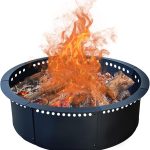
The fire bowl holds the wood and directs heat toward the center of the fire. Many smokeless models use a double-wall design. The outer wall draws air through lower vents, while the space between the walls warms that air before it reaches upper vents.
The heated air enters near the top of the bowl and mixes with smoke and unburned gases. When the fire reaches a high enough temperature, this process supports secondary combustion, which burns some of those gases before they leave the pit.
The bowl often includes lower intake vents and upper exhaust vents. The vent size and placement control oxygen flow, so blocked openings can increase smoke and reduce performance. Insulated or double-wall bowls also protect the outer surface from some of the fire’s heat, though they still require safe spacing from buildings and flammable materials.
Grate And Ash Management
A raised grate keeps some wood above the ash bed. This allows air to reach the underside of the fuel and helps maintain the primary burn. Some models use a perforated base instead of a separate grate.
Ash falls below the burning wood or collects in a removable tray. This design makes cleanup easier and helps prevent ash from blocking lower air inlets. If ash covers the vents, the fire may receive less oxygen and produce more smoke.
The user should remove ash only after it has cooled completely. A metal shovel or ash tool works better than plastic equipment. Fine ash can remain hot for many hours, so it should go into a covered metal container placed away from combustible surfaces.
Heat-Resistant Steel Types
Manufacturers commonly use stainless steel or carbon steel for the bowl and outer shell. Stainless steel resists rust and usually needs less maintenance, especially in damp climates. Common grades include 304 and 316, although the exact grade and thickness vary by model.
Carbon steel can handle high heat and often costs less. It develops surface rust when exposed to moisture, but the user can slow corrosion by keeping it dry and applying a suitable high-temperature coating when the manufacturer allows it.
Repeated heating and cooling can cause discoloration, warping, or small surface changes in either material. A thicker bowl generally resists distortion better, while the manufacturer’s care instructions determine which cleaners, covers, and protective treatments are safe.
Fuel Choices And Fire-Building Methods
Dry, split hardwood and a well-built fire support the high temperatures needed for secondary combustion. Proper moisture levels, small starter pieces, and clear airflow help a smokeless fire pit establish a strong draft and burn with less visible smoke.
Best Firewood For Clean Burning
Dense hardwoods such as oak, maple, ash, and hickory provide steady heat and long burn times. They work well after being split into pieces that fit loosely inside the pit. Smaller pieces help the fire start, while larger pieces maintain heat after the fire develops.
Untreated natural firewood remains the safest choice. Painted, stained, pressure-treated, or glued wood can release harmful chemicals and may create excess smoke. Cardboard with heavy ink, glossy paper, and household trash should also stay out of the pit.
Pellets work only in fire pits designed for them. A wood-burning model may not provide the airflow or grate support needed for pellet fuel. Users should follow the manufacturer’s fuel limits, since oversized logs can block air openings and reduce secondary combustion.
Moisture Content And Seasoning
Firewood burns cleanly when its moisture content falls below 20%. Freshly cut wood often contains much more water, so the fire must spend heat turning that water into steam. This lowers combustion temperature and increases smoke.
Wood should be split before it is stacked. The split surfaces allow moisture to escape more easily. A loose stack placed under a roof, with the sides open to moving air, usually seasons wood better than a tightly covered pile.
A moisture meter can check the center of a freshly split piece. The reading should come from the inner surface, not the bark. Wet wood may hiss, smolder, or leave heavy deposits inside the pit and chimney components.
Lighting Techniques For Strong Draft
A top-down fire often works well in a smokeless fire pit. Larger logs go on the bottom, medium pieces form the next layer, and dry kindling sits on top. The fire then heats the upper fuel while maintaining open spaces for air.
Dry sticks, wood shavings, or an approved fire starter can ignite the kindling. Newspaper may work, but excessive paper can create ash and briefly restrict airflow. The starter should remain clear of the pit’s air holes.
The operator should avoid adding large logs until the kindling burns strongly and flames reach across the fuel bed. A loose arrangement gives air room to circulate. Once the pit becomes hot, its rising air strengthens the draft and helps burn the gases released by the wood.
Factors That Affect Smoke Reduction
Smoke reduction depends on a hot, well-ventilated fire. Fuel moisture, fire size, wind, ash buildup, and blocked vents can prevent the secondary burn from working properly.
Fire Size And Fuel Loading
A smokeless fire pit needs enough heat to ignite smoke above the main fire. A small, weak fire may not heat the inner wall or air enough to support secondary combustion. It can produce more visible smoke as the wood smolders.
Overloading the pit also causes problems. Too much wood can block the airflow openings and limit oxygen near the fuel. It can also create a large amount of smoke that the secondary burn cannot consume completely.
Dry, split hardwood usually gives the cleanest burn. Wet or green wood uses heat to evaporate water, which lowers the fire temperature and increases smoke. Users should add a few pieces at a time and keep the upper vents clear.
Wind And Outdoor Conditions
Strong wind can disturb the fire’s airflow. It may pull heat away from the pit, push flames to one side, or cause sparks and smoke to leave before secondary combustion finishes. Gusty conditions can also make the fire burn unevenly.
Cold, damp weather can reduce performance during startup because the pit and fuel require more heat to reach an efficient burn. Light, steady airflow usually supports combustion, but the pit still needs placement in a safe area away from structures, dry vegetation, and overhanging branches.
A wind guard can help in exposed locations if the manufacturer allows its use. It should not cover the vents or restrict the oxygen supply.
Cleaning And Airflow Blockages
Ash can collect beneath the fire or around the lower intake holes. When it blocks these openings, the pit receives less oxygen, and the fire may smolder instead of burning cleanly. Excess ash can also reduce space for airflow through the fuel.
The pit should cool completely before cleaning. Users should remove ash with the method listed in the owner’s manual and inspect both the lower intake vents and upper exhaust holes. A soft brush can clear loose debris without damaging the metal.
They should also remove soot, leaves, and small pieces of wood that cover the vent holes. A clean, unobstructed airflow path helps the pit maintain the heat and oxygen needed for secondary combustion.
Benefits And Limitations
A smokeless fire pit can reduce visible smoke, improve fuel use, and create steady heat when it receives dry wood and enough airflow. Its performance still depends on fuel quality, weather, design, and safe placement.
Reduced Visible Smoke
Secondary combustion burns some of the smoke and gases released during the first stage of burning. A double-wall design usually draws air through lower vents, heats that air, and sends it through openings near the rim. The hot, oxygen-rich air helps ignite smoke before it leaves the pit.
This process can greatly reduce visible smoke after the fire reaches operating temperature. It does not remove smoke completely. Smoke may appear while the wood starts, when the fire loses heat, or when someone adds damp or oversized logs.
Users should burn dry, seasoned firewood and avoid wet wood, leaves, trash, and treated lumber. They should also keep the air openings clear. Wind, poor fuel, and restricted airflow can reduce secondary combustion.
Heat Output And Efficiency
The hotter, more complete burn can extract more energy from each piece of wood. The pit may produce strong heat from the flame and from the hot metal walls. Less unburned smoke also means fewer combustible gases escape before burning.
A smokeless pit does not create extra energy from the same wood. It uses airflow and heat to burn more of the wood gases. This can make the fire feel hotter and leave less smoke and residue, but the pit may consume wood quickly when operated at full strength.
Heat distribution also varies by design. The flame gives off direct radiant heat, while the pit walls spread heat outward. A cover, wind screen, or nearby seating can affect how much warmth reaches people.
Realistic Performance Expectations
The term smokeless describes reduced smoke, not a completely smoke-free fire. Most models need time to heat their walls before secondary combustion becomes visible. During lighting and refueling, brief smoke is normal.
The pit may smoke more if the user packs in too much wood, blocks the vents, or adds logs that exceed the recommended size. Low fires can also produce smoke because they lack the heat needed to ignite released gases.
These pits still require outdoor use, stable placement, and safe distances from buildings, trees, and flammable materials. Users should follow the manufacturer’s fuel limits and local fire rules. A smokeless design improves combustion, but it does not remove the risks of open flames, hot ash, or flying embers.
Safe Operation And Maintenance
Safe use depends on proper spacing, controlled fuel loads, and regular checks. The pit should stand on a stable, nonflammable surface, while ash and damaged parts require careful handling before the next fire.
Placement And Clearance Requirements
The fire pit should sit outdoors on a level, stable surface made from concrete, brick, stone, or another nonflammable material. It should not rest on grass, wood decking, artificial turf, or a covered porch unless the manufacturer specifically approves that setup.
The pit should remain well away from buildings, fences, trees, furniture, awnings, and stored materials. The owner should follow the manufacturer’s clearance distances and local fire rules, since required spacing varies by model and location. A clear area also helps prevent people from tripping near the fire.
The pit should never operate beneath low branches, roof overhangs, tents, or enclosed structures. Wind can carry sparks and embers, so the operator should avoid exposed areas during strong or changing winds. A hose, bucket of water, or suitable fire extinguisher should remain within easy reach.
Ash Removal Practices
The operator should let the fire burn out completely and allow the pit to cool before removing ash. Hot ash can remain beneath the surface for many hours, especially after a large fire. Touching or moving it too soon can cause burns or restart the fire.
Ash should be removed with a metal shovel and placed in a metal container with a tight-fitting lid. The container should stand outdoors on a nonflammable surface, away from walls, decks, leaves, and other combustible materials. Ash should not go into a plastic bin, cardboard box, or household trash can.
Fine ash can block the lower air holes that support airflow. After removal, the operator should check and clear these openings according to the manufacturer’s instructions. They should avoid using a shop vacuum unless the ash is fully cold and the vacuum is rated for ash.
Inspecting For Damage And Wear
Before each use, the operator should inspect the bowl, base, handles, rim, vents, and protective screen. Cracks, holes, severe rust, loose fasteners, or a distorted shape can weaken the pit and affect airflow. A damaged unit should remain out of service until it receives an approved repair or replacement.
The double-wall passage and air openings should remain free of ash, debris, and insect nests. Blocked vents can reduce secondary combustion and increase smoke. The operator should clean them only as directed, without drilling new holes or changing the pit’s design.
Heat shields, spark screens, and covers also need regular checks. A screen with gaps or broken welds may allow sparks to escape. Replacement parts should match the model and come from the manufacturer or an approved supplier.
Comparing Common Fire Pit Designs
Fire pits manage airflow, fuel, heat, and smoke in different ways. Double-wall models support secondary combustion, open pits release smoke through the top, and gas units burn fuel without producing wood smoke.
Double-Wall Portable Models
Double-wall portable fire pits use two layers of metal with air channels between them. Lower vents pull in fresh air, which warms as it rises through the outer wall. Upper vents then release that heated air near the flames.
This extra oxygen helps burn some of the gases and particles that would otherwise leave as smoke. The design can reduce visible smoke, especially after the fire reaches a hot, steady burn. It does not make the fire completely smokeless. Wet wood, poor airflow, and low temperatures can still create smoke.
These units usually burn split wood or small logs. Their portable size suits patios, campsites, and other spaces where the owner needs flexible placement. Many models leave fine ash, so they still need regular cleaning. Users should place them on a stable, nonflammable surface and follow local fire rules.
Traditional Open Fire Pits
Traditional open fire pits have a simple basin or ring that holds wood. Air reaches the fire from the sides and above, but the pit usually lacks a second air channel for reburning exhaust gases.
Smoke output depends heavily on wood moisture, wind, log arrangement, and fire temperature. Dry, seasoned wood burns more cleanly than fresh or damp wood. A loosely stacked fire may receive more air, but wind can also push smoke toward nearby people or buildings.
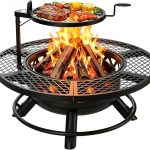
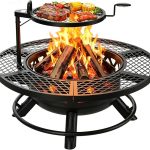
Open pits often provide a broad view of the flames and may cost less than double-wall models. They can also accept larger logs and serve as a cooking surface when designed for that use. Their drawbacks include more drifting smoke, flying embers, and ash. A spark screen, safe spacing, and close supervision can reduce these risks.
Gas Fire Pit Alternatives
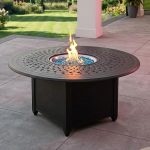
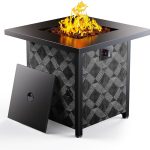
Gas fire pits burn propane or natural gas through a burner beneath decorative media such as lava rock or fire glass. They do not use wood, so they avoid wood smoke, ash, sparks, and the need to store logs.
A propane model connects to a tank, while a natural-gas model needs a fixed fuel line installed by a qualified professional. Gas units usually start and stop quickly, and many include controls for flame height. Their heat output depends on the burner rating, fuel supply, and weather conditions.
Gas fire pits do not create the same wood-burning smell, crackle, or secondary combustion process. They also require proper ventilation and safe clearance from structures. Users should check local fuel, installation, and outdoor appliance rules before operating one.
FAQs
Are smokeless fire pits truly smokeless?
No. They reduce visible smoke when they burn dry wood in the right conditions, but they cannot remove it completely. Smoke may increase during startup, low heat, damp weather, or when the fire lacks enough airflow.
How does secondary combustion work?
The first burn heats the wood and creates gases and smoke. A double-wall fire pit warms incoming air, then sends that oxygen-rich air through openings near the top. The hot air helps ignite some of those gases before they leave the pit.
Why does the fire pit need dry wood?
Dry wood burns hotter and produces fewer unburned gases than wet wood. Damp wood lowers the fire’s temperature and can create more smoke, which may exceed the pit’s ability to burn those gases again.
Does a smokeless fire pit use less wood?
It may burn wood efficiently, but fuel use depends on the pit’s size, airflow, weather, and fire intensity. Its design does not eliminate the need for regular fuel.
Can it burn charcoal or other materials?
The manufacturer’s instructions determine which fuels are safe. Most wood-burning models work best with untreated, seasoned firewood. Painted, treated, or construction wood can release harmful chemicals.
How should it be maintained?
The user should remove ash after the pit cools and keep air holes clear. Excess ash can block airflow and weaken secondary combustion.
Conclusion
Smokeless fire pits reduce visible smoke through double-wall airflow and secondary combustion. Vents draw air into the base, heat it between the walls, and release it near the top of the fire. This hot, oxygen-rich air helps burn smoke particles and other unburned gases before they escape.
The design works best when the fire burns hot and receives enough airflow. Dry, seasoned wood or suitable pellets support cleaner combustion, while wet or green wood can still create heavy smoke.
These fire pits do not remove smoke completely. Their performance depends on fuel quality, fire size, airflow, and regular cleaning. Users should follow the manufacturer’s instructions and maintain safe clearance from buildings, plants, and other flammable materials.