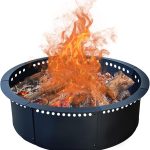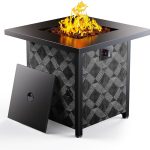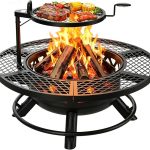
Smokeless fire pits can reduce smoke in windy conditions, but they cannot eliminate it. Their vents improve airflow and help the fire burn fuel more completely, which usually limits smoke and odor when the wood stays dry.
Smokeless fire pits work better than traditional pits in light to moderate wind, but strong gusts can still push smoke, scatter embers, and affect stability. Placement, dry fuel, a wide base, and safe wind conditions all shape the results. The article explains what to expect and how to use one safely outdoors.
Key Takeaways
- Smokeless designs reduce smoke through improved airflow.
- Wind, fuel, placement, and pit design affect performance.
- Strong gusts may make fire use unsafe.
How Smokeless Fire Pits Control Smoke
Smokeless fire pits reduce smoke by burning wood gases more completely and directing air through carefully placed vents. Their performance depends on dry fuel, a hot fire, and airflow that remains steady despite changing wind conditions.
Secondary Burn Systems
A secondary burn system uses heated air to ignite smoke-producing gases that rise from the main fire. In many wood-burning models, a double wall warms incoming air before it exits through small holes near the upper rim.
That heated oxygen mixes with the gases above the fire and burns them at high temperatures. This process reduces visible smoke after the fire reaches a steady burn. It does not remove smoke during startup, when adding wood, or when damp logs smolder.
Wind can affect this process. Moderate airflow may supply extra oxygen, but strong or shifting wind can cool the upper burn area or disturb the flame pattern. The pit may then produce more smoke until the fire regains enough heat.
Airflow and Ventilation Design
Smokeless fire pits usually include lower vents that supply oxygen to the fuel and upper vents that support the secondary burn. The double-wall design separates these air paths and helps preheat air before it enters the upper flame zone.
This arrangement also supports a stronger draft. As hot air rises, it pulls more air through the lower openings. Dry, split hardwood allows this cycle to work more effectively than wet or oversized logs.
Wind may increase or reduce the draft depending on its direction and speed. Gusts entering the vents can cause uneven flames, while wind around the rim can carry smoke toward nearby people. A spark screen, wind guard, or sheltered placement can help, but it should not block the pit’s designed vents.
How Wind Changes Fire Pit Performance
Wind can reduce airflow control, disturb the flame, and carry sparks beyond the fire pit. These effects depend on wind speed, fuel moisture, pit design, and the surrounding space.
Disrupted Air Intake
Smokeless fire pits rely on steady airflow through lower vents and openings in the double wall. Wind can push air into some openings while pulling air away from others. This uneven pressure may disrupt the movement of oxygen into the fire and hot air through the upper vents.
A well-built pit can still burn cleanly in light or moderate wind, especially when its vents remain clear. However, blocked openings, wet wood, or strong crosswinds can reduce secondary combustion. When that happens, smoke may increase and the fire may take longer to reach a clean, hot burn.
The pit should sit on a stable, level surface with its air inlets uncovered. Users should avoid placing it directly against walls, fences, or dense windbreaks, which can create shifting air currents around the bowl.
Uneven Flame Patterns
Wind can bend flames toward one side of the pit and make them pulse or shrink suddenly. Gusts may cool part of the fire while feeding another area with extra oxygen. This uneven burn can leave some logs charred on the outside but poorly burned inside.
Flame movement also affects heat distribution. People sitting on the downwind side may receive more smoke and heat, while those on the opposite side receive less warmth. A wide, stable pit and properly seasoned wood can help maintain a more even fire, but they cannot remove the effects of strong gusts.
The fire should use dry, split logs arranged with space between them. Overloading the pit restricts airflow, while very small pieces can burn too quickly when wind enters the bowl.
Increased Spark and Ember Risk
Wind increases the chance that sparks, ash, and glowing embers will leave the fire pit. Lightweight embers can travel across patios, lawns, or dry vegetation before they cool. A spark screen can reduce this risk, but it may also limit airflow and require closer monitoring.
The fire pit should remain well away from buildings, fences, trees, furniture, and stored materials. Users should keep a hose, bucket of water, or suitable extinguisher nearby and never leave the fire unattended.
If gusts become strong enough to move loose ash or bend flames sharply, the fire should be extinguished. Water should be added slowly, then the ashes should be stirred until no heat, smoke, or glowing material remains.
What to Expect in Light, Moderate, and Strong Winds
A smokeless fire pit can reduce smoke in a light breeze and often performs well in moderate wind when placed correctly. Strong wind can still carry sparks, disturb flames, and make any outdoor fire unsafe, regardless of the pit’s design.
Light Breeze Conditions
In a light breeze, a smokeless fire pit usually provides its best performance. Its double-wall design draws air through lower vents, heats that air, and releases it through upper vents. This supports secondary combustion, which burns some of the smoke-producing gases before they leave the pit.
People near the pit may notice little visible smoke once the fire reaches a hot, steady burn. Smoke can still appear during startup, after adding damp wood, or when the fire begins to die down.
The pit should sit on a level, nonflammable surface with clear space around it. Wind direction still matters. Positioning seating upwind or crosswind can help keep remaining smoke away from people.
Moderate Wind Conditions
Moderate wind can reduce comfort even when the pit continues to burn efficiently. Gusts may push smoke toward nearby seating, cool one side of the fire, or cause flames to rise above the rim.
Dry, well-seasoned firewood helps the pit maintain high heat. Large pieces can also burn more steadily than small pieces that catch quickly and create more sparks. The operator should avoid overfilling the pit because a taller fire gives wind more material to disturb.
A wider, heavier base improves stability on uneven ground and during gusts. The pit should remain away from fences, branches, buildings, and dry grass. If sparks leave the pit or flames grow beyond control, the fire should be extinguished.
High-Wind Limitations
Strong wind can make any fire hazardous. Around 20 mph, wind may spread embers, increase flame intensity, and make fire behavior difficult to predict. Local fire rules may set lower limits, so those rules should guide use.
A smokeless design does not create a sealed fire. Wind can still carry sparks through the opening and blow hot ash onto nearby surfaces. It can also tip a lightweight model or move burning material beyond the intended area.
The fire should not be lit during high-wind conditions. If wind increases after ignition, the operator should stop adding wood, keep water or an approved extinguisher nearby, and fully put out the fire when conditions become unsafe.
Factors That Affect Results Outdoors
Wind direction, fuel condition, fire size, and pit placement all affect how well a smokeless fire pit performs. These factors also determine whether smoke stays low, sparks travel, or heat spreads safely.
Fire Pit Placement
A smokeless fire pit works best on a level, nonflammable surface such as concrete, brick, or bare soil. It should sit well away from buildings, fences, trees, dry grass, furniture, and other materials that could catch fire. Local rules may require specific clearance distances.
Wind can carry sparks and smoke toward people or nearby property. The pit should not sit in a narrow passage between walls, where wind can speed up or change direction. A stable wind shield may reduce direct gusts, but it should not block the pit’s air openings or trap heat.
The operator should check wind conditions before lighting the fire and keep the fire small if light wind develops. If gusts make flames lean sharply, spread sparks, or push smoke unpredictably, the fire should be put out.
Fuel Type and Moisture Content
Dry, seasoned hardwood usually produces less smoke than wet or freshly cut wood. Moist fuel burns poorly, which can overwhelm the pit’s secondary-burn system and create more visible smoke. Large, damp logs can also lower the fire’s heat and extend the smoky start-up period.
The operator should use clean, dry firewood sized for the manufacturer’s instructions. Scrap wood, painted boards, treated lumber, leaves, and cardboard can release harmful chemicals or create excess ash. Small, dry kindling helps the fire reach a hot, steady burn before larger logs are added.
Wind can make dry fuel burn faster. The operator should avoid overfilling the bowl and should add logs gradually. A spark screen can help contain embers, but it does not make burning unsafe fuel acceptable.
Pit Size and Heat Output
A larger pit can hold more fuel and produce more heat, but its larger flame can also create stronger updrafts and more flying embers in gusty weather. A small portable pit may offer better control, yet it can lose heat quickly when wind moves across the bowl.
The pit’s air holes, inner wall, and exhaust design affect secondary combustion. Blocked openings can increase smoke and reduce performance. Ash should be removed as directed because a thick layer can restrict airflow.
The operator should keep the fire within the pit’s recommended fuel level. A hot, controlled fire generally produces less smoke than a smoldering fire, but “smokeless” means reduced visible smoke, not zero smoke in every outdoor condition.
Best Practices for Using a Fire Pit on Windy Days
Wind can move flames, carry embers, and spread smoke toward people or buildings. Safe use depends on a sheltered setup, a small controlled fire, and windbreaks that do not trap heat or violate local fire rules.
Choosing a Sheltered Location
The fire pit should sit on a level, nonflammable surface such as concrete, brick, or bare soil. It should remain well away from homes, fences, sheds, trees, dry grass, and outdoor furniture. The manufacturer’s clearance requirements and local fire regulations always take priority.
A natural windbreak, such as a stone wall, can reduce direct gusts. However, the pit should not sit immediately beside a wall or structure because heat can damage surfaces and wind can redirect flames. The operator should check the wind direction before lighting the pit and keep seating on the upwind side when possible.
Wind speeds above 10–15 mph can make fire pit use unsafe, especially when gusts are stronger than the steady wind. If smoke blows unpredictably, flames lean sharply, or embers leave the pit, the fire should not be lit or should be extinguished.
Building and Maintaining the Fire
The operator should start with a small fire and add fuel slowly. Dry, seasoned wood produces more predictable flames than wet wood, while scrap lumber, treated wood, cardboard, and leaves can create unsafe sparks or smoke. A smokeless pit may reduce smoke, but it does not prevent embers from escaping in strong wind.
The fire should stay below the pit’s maximum fill line. Large flames create more heat and can send burning material into nearby areas. The operator should keep a hose, bucket of water, or approved extinguisher within reach and should never leave the fire unattended.
If wind increases, the operator should stop adding wood and let the fire burn down. The fire must be soaked, stirred, and soaked again until the ashes feel cool. Ashes should not be moved or discarded while they still contain heat.
Using Windbreaks Safely
A commercial fire pit wind guard can help shield a tabletop gas flame from moderate wind. It should match the pit’s design, remain stable, and leave the required air space around the burner. A guard should never cover vents or be used if the manufacturer does not approve it.
Temporary screens can block sparks, but they must be made from nonflammable materials and placed far enough away to avoid overheating. Blankets, plastic panels, wooden boards, and fabric screens should not serve as windbreaks.
Windbreaks should not fully enclose a wood-burning pit. Enclosures can trap heat, restrict airflow, and redirect flames or carbon monoxide toward people. The operator should stop using the pit when gusts become strong enough to move screens, scatter sparks, or affect flame control.
When to Avoid Lighting a Fire
A smokeless fire pit still produces heat, flames, and flying embers. Local rules, strong wind, and nearby dry fuel can make any outdoor fire unsafe, even when the pit burns more cleanly.
Local Fire Restrictions
The user should check local fire rules before lighting a smokeless fire pit. Cities, counties, parks, and homeowners’ associations may restrict outdoor fires during drought, wildfire season, poor air quality, or temporary emergency conditions.
A fire permit may also be required. Some areas allow only enclosed gas appliances, while others prohibit all wood-burning fires, including portable pits. Rules may limit the pit’s location, fuel type, operating hours, or required distance from buildings.
The local fire department or government website usually provides current information. Weather conditions can change restrictions during the day, so an earlier approval does not guarantee that lighting remains allowed. If the rules are unclear, the operator should not light the fire until the proper authority confirms that it is permitted.
Dangerous Gusts
Wind can carry embers beyond the fire pit and blow smoke toward people, doors, roads, or neighboring property. A smokeless design reduces visible smoke during clean burning, but it does not stop wind from moving sparks or disturbing the flame.
The operator should avoid lighting the pit during strong, shifting, or unpredictable gusts. A wind speed above about 20 mph creates a serious risk, but lower speeds can still be unsafe when the pit sits near fences, trees, dry grass, wooden decks, or other flammable materials.
The operator should check both the forecast and current conditions. If flames lean sharply, embers leave the bowl, or wind repeatedly changes direction, the fire should not start. If wind rises after ignition, the operator should stop adding fuel, keep water or a hose ready, and fully extinguish the fire if conditions worsen.
Dry Vegetation and Wildfire Risk
Dry grass, leaves, brush, mulch, pine needles, and dead branches can ignite from a single ember. The risk increases during drought, heat waves, low humidity, or an active wildfire period. Wind can carry embers across open ground and into vegetation that appears several yards away.
The pit should sit on a stable, nonflammable surface, such as concrete or bare soil, and remain well away from plants, structures, fuel containers, and overhead branches. The operator should clear loose debris around the pit and follow the manufacturer’s required clearance distances.
If the surrounding vegetation feels brittle or the ground cover burns easily, the fire should not be lit. The operator should also avoid using a fire pit when smoke or embers could reach a forest edge, neighboring yard, wooden structure, or stored firewood.
Choosing a Model for Exposed Locations
Wind can tip a light fire pit, spread embers, and push smoke toward nearby people. A suitable model needs a wide, stable base, heat-resistant materials, controlled airflow, and a design that fits its intended location.
Stable Base and Durable Construction
A heavy, low-profile fire pit usually stays steadier than a tall, narrow model. A broad base helps prevent tipping when wind presses against the body or when someone bumps the rim. Models with level feet work best on firm, even ground.
Steel and cast iron can handle repeated outdoor use, but each material has different care needs. Stainless steel resists rust better, while regular steel may need a protective coating and dry storage. Cast iron holds heat well but weighs more and can crack if exposed to sudden temperature changes or trapped water.
A spark screen can help contain larger embers, but it cannot stop every spark in strong wind. The fire pit should remain well away from dry grass, fences, furniture, and buildings. Local fire rules and weather warnings should guide use.
Adjustable Airflow Features
Smokeless fire pits rely on controlled airflow. Vents near the base feed oxygen to the fire, while upper vents help burn some of the smoke before it leaves the bowl. In windy areas, this design may reduce smoke, but it does not eliminate wind-related risks.
Models with adjustable vents or a removable air-control ring give the user more control over the burn rate. Lower airflow can help when gusts make flames grow too quickly, while wider openings can support cleaner burning after the fire settles.
The user should avoid blocking vents with ash, sand, or firewood. A clogged airflow path can increase smoke and cause uneven burning. The manufacturer’s fuel limits also matter because oversized logs can create taller flames and more flying embers.
Portable Versus Permanent Options
Portable models suit patios, campsites, and changing outdoor layouts. A carrying case, fitted lid, and manageable weight make storage easier, but very light models may move during gusts. Their feet should lock firmly in place, and the pit should sit on a noncombustible surface.
Permanent models often offer greater weight and stability. They may include a built-in stone surround, fixed stand, or recessed design that shields part of the flame from crosswinds. Installation still requires proper clearance and compliance with local building and fire regulations.
A lid protects the bowl during storage but does not make the pit safe to use during high winds. The user should extinguish the fire, wait until the ashes cool, and then cover the unit.
Final Considerations
Smokeless fire pits can work well in windy conditions, but they are not windproof. Their airflow systems support more complete combustion, which can reduce smoke and help maintain steadier flames. Strong gusts can still disturb the fire, carry smoke, and spread embers.
A wide, heavy base improves stability, especially on uneven ground. Models with sturdy construction, raised airflow vents, and a well-fitted spark screen may also perform better outdoors.
Users should place the fire pit on a level, nonflammable surface and keep it away from buildings, trees, fences, and dry grass. Wind direction can change quickly, so the seating area should remain clear of the smoke path.
| Condition | Recommended action |
|---|---|
| Light breeze | Use the pit with normal precautions |
| Strong or shifting wind | Reduce the fire or postpone use |
| Wind carrying sparks | Extinguish the fire immediately |
A smokeless design can reduce smoke, but it does not remove the need for safe operation. Users should follow local fire rules, keep water or an extinguisher nearby, and use only dry, suitable firewood.
FAQs
Do smokeless fire pits work in windy conditions?
They can reduce smoke in light to moderate wind by improving airflow and secondary combustion. However, wind can still spread smoke, cool the fire, and carry embers.
Are smokeless fire pits completely smoke-free?
No. They produce less smoke when the wood is dry and the fire burns hot. Damp wood, poor airflow, or a smoldering fire can still create noticeable smoke.
What features help a fire pit stay stable?
A wide, heavy base offers better stability on uneven ground and during gusts. A fitted spark screen, sturdy construction, and low center of gravity also improve safety.
Where should a fire pit be placed on a windy day?
It should sit on a level, nonflammable surface away from buildings, trees, fences, and dry grass. The user should avoid placing it where wind can carry smoke or embers toward people or property.
Should a fire pit be used during strong winds?
No. If flames bend sharply, embers lift from the pit, or local fire rules restrict outdoor burning, the fire should not be lit. Wind conditions can change quickly, so users should monitor them throughout the fire.
What fuel works best?
Dry, seasoned hardwood usually burns hotter and more cleanly than damp wood or green branches. Small, well-spaced pieces help maintain airflow and support cleaner combustion.
Conclusion
Smokeless fire pits can work in windy conditions, but they do not eliminate smoke or fire risks. Their airflow systems support more complete burning, which often reduces smoke. Strong or shifting winds can still push smoke toward people and carry sparks beyond the pit.
Safe use depends on the conditions and the fire pit’s design. A wide, heavy base can improve stability, while a spark screen or wind guard can help contain embers. The pit should sit on a level, nonflammable surface, far from buildings, plants, fences, and other combustible materials.
Before lighting it, users should check local fire rules and the weather forecast. They should avoid using the pit during strong, gusty, or changing winds, especially in dry conditions. Dry, seasoned wood also supports cleaner burning, but it cannot make unsafe weather safe.
If wind increases, smoke becomes difficult to control, or embers begin to travel, the fire should be put out immediately. A smokeless model can reduce smoke in moderate wind, but careful placement, constant supervision, and sound judgment remain necessary.