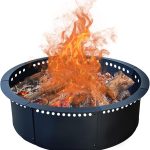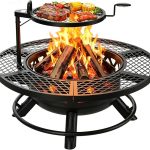
Smokeless fire pits do not eliminate smoke, but they can reduce it significantly. Their double-wall design pulls in heated air and sends extra oxygen into the fire, helping burn more wood gases before they escape.
A smokeless fire pit produces far less smoke than a traditional pit, but it still needs dry wood, proper airflow, and safe placement to work well. Wind, damp fuel, overloading, and poor design can all increase smoke. The article explains what users can expect and how to choose and operate one safely.
Key Takeaways
- Smokeless fire pits reduce smoke through secondary combustion.
- Performance depends on fuel, airflow, weather, and design.
- Users still need to follow safety rules and local regulations.
How Secondary Combustion Reduces Smoke
Smokeless fire pits reduce visible smoke by improving airflow and burning wood gases before they leave the fire. Their design works best with dry wood, enough heat, and regular airflow through the fire chamber.
The Role of Airflow
Most smokeless fire pits use a double-wall design. Air enters openings near the bottom, moves through the space between the walls, and heats up before reaching the fire. Vents near the upper rim then release this hot air into the combustion chamber.
That added oxygen mixes with unburned wood gases, often called smoke. When the gases meet enough oxygen and heat, they ignite instead of drifting away as visible smoke. This process, known as secondary combustion, can greatly reduce smoke after the fire reaches operating temperature.
Airflow also helps the fire burn more evenly. However, blocked vents, wet wood, excess ash, or an overloaded chamber can limit air movement. These conditions may cause more smoke, even in a well-designed pit.
Why Hotter Fires Burn Cleaner
A hot fire breaks down wood more completely. As wood heats, it releases gases and small particles. A cooler fire leaves more of these materials unburned, allowing them to escape as smoke. A hotter fire gives the secondary burn enough energy to ignite them.
Users should start with dry, split firewood and leave space between pieces. Small kindling helps the fire heat the pit quickly, while loosely stacked logs support airflow. Adding large or damp logs too early can lower the temperature and increase smoke.
Smokeless pits do not eliminate smoke in every situation. They may produce smoke during startup, while adding wood, or when the fire begins to die down. Wind, poor fuel, and restricted vents can also reduce the effect.
What Smokeless Actually Means
A smokeless fire pit reduces visible smoke by burning wood gases more completely. It does not remove every trace of smoke, odor, or airborne particles in all conditions.
Visible Smoke Versus Odor
Most smokeless fire pits use a double-wall design. As the fire heats the outer wall, air rises through the space between the walls. Small openings near the top release this heated air into the fire, where it helps burn leftover wood gases.
This secondary combustion can make the flames burn hotter and produce far less visible smoke than a basic fire pit. It works best after the fire reaches operating temperature. During startup, the fire may still smoke while the wood heats and begins to burn.
Less visible smoke does not mean no odor. Burning wood still releases some scent, especially when the fire uses damp logs, has weak airflow, or begins to die down. The smell is usually lighter than the odor from a smoky traditional fire, but people near the pit may still notice it.
Conditions That Still Produce Smoke
A smokeless fire pit can produce smoke when the fuel or airflow prevents complete combustion. Wet or freshly cut wood creates more steam and smoke than dry, seasoned wood. Large logs can also smoke until they heat through.
Low temperatures cause another common problem. If someone adds several logs at once, the new wood can cover the flames and reduce airflow. The fire may then smolder until the flames recover. Ash buildup can block air openings and limit the secondary burn as well.
Wind, poor ventilation, and overloading the pit can also increase smoke. Users should burn dry hardwood in pieces that fit the manufacturer’s limits, leave space between logs, and remove excess ash after the fire cools. These steps help the pit maintain the high heat and airflow needed for low-smoke burning.
Factors That Affect Performance
A smokeless fire pit needs dry fuel, enough oxygen, and steady airflow to burn cleanly. Wood moisture, loading choices, fire size, wind, and weather can all increase smoke or reduce the pit’s heat.
Wood Moisture And Fuel Type
Dry, seasoned firewood produces the best results. Wood with moisture above about 20% uses heat to release water vapor, which lowers the fire’s temperature and creates more smoke. Freshly cut or rain-soaked wood can prevent the secondary burn from working well.
Hardwoods such as oak, maple, and ash usually burn longer and provide steady heat. Softwoods can work, but they often burn faster and may produce more sparks, especially when they contain resin. Small kindling helps start the fire, while larger split logs maintain it.
The fire pit should not burn trash, painted wood, plywood, or treated lumber. These materials can release harmful chemicals and may damage the pit.
Fire Size And Loading Technique
A smokeless pit must reach a high enough temperature before its upper air jets can burn leftover gases. A small, weak fire may produce visible smoke because it does not create enough heat for secondary combustion.
Users should start with dry kindling and small splits, then add larger logs as the flames grow. Logs should sit loosely, with gaps that allow air to move through the fuel. Packing the pit too tightly can restrict oxygen and cause smoky, incomplete burning.
Overloading also creates problems. Logs that rise above the recommended fill level can block airflow, produce excess smoke, and allow sparks to escape. The manufacturer’s maximum fill line provides the safest guide.
Weather And Wind Conditions
Strong wind can disturb the flame pattern and push smoke toward nearby people. It can also spread sparks and make the fire harder to control. A sheltered, open area usually provides better performance than a narrow space between walls or under low branches.
Cold or damp weather can slow ignition, especially when the wood has absorbed moisture. Rain can also cool the fire and reduce the heat needed for secondary combustion. A fitted cover helps keep the pit dry between uses, but it should only cover the unit after the fire and ashes have cooled completely.
The pit should remain on a stable, noncombustible surface with clear space around it. Local fire rules, wind limits, and burn bans still apply, even when the unit produces little visible smoke.
Comparing Common Fire Pit Designs
Fire pit designs control smoke in different ways. Double-wall models reburn some smoke, inserts add this airflow system to existing pits, and gas models avoid wood smoke by burning propane or natural gas.
Double-Wall Fire Pits
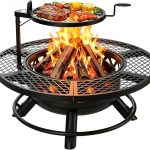
Double-wall fire pits use two layers of metal with space between them. Air enters through lower vents, warms between the walls, and rises through upper vents. This heated oxygen helps burn some smoke particles and gases before they leave the pit.
These models can produce much less visible smoke after the fire reaches a hot, steady burn. They are not completely smokeless, especially during lighting, damp wood use, or low-temperature burning. Users still need dry, split wood and must keep the vents clear.
Most double-wall pits are self-contained and portable, but they can become very hot on the outside. Their strong airflow often creates hotter fires and can burn wood faster, so users may need to add fuel more often.
Smokeless Wood-Burning Inserts
Smokeless inserts fit inside a masonry pit, steel basin, or other fire pit structure. They provide the internal airflow and secondary-combustion design of a manufactured smokeless pit while letting users keep the surrounding enclosure.
An insert can suit homeowners who want a built-in appearance without rebuilding the entire fire area. However, the outer pit must provide enough space for airflow, drainage, and safe clearance. A tight-fitting or poorly ventilated enclosure can reduce performance and increase heat buildup.
The insert does not remove the need for proper fuel. Wet logs, oversized pieces, ash buildup, and restricted air can all create smoke. Before buying, users should check the insert’s diameter, height, weight, and required clearance.
Propane And Natural Gas Models
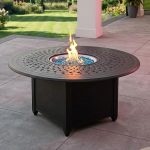
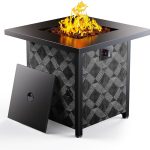
Propane and natural gas fire pits burn fuel rather than wood, so they do not produce wood smoke, ash, or embers. They also start and stop quickly, which makes them useful for patios, decks approved for fire use, and areas with wood-burning limits.
Propane models connect to refillable tanks, while natural gas models require a fixed gas line installed by a qualified professional. Gas pits usually provide steady flames, but their heat may feel less intense than a large wood fire. Wind can also disturb the flame or reduce warmth.
These models still create combustion products and require ventilation. Users should follow local rules, keep flammable materials away, and never use a gas fire pit in an enclosed space.
Setting Realistic Expectations
A smokeless fire pit greatly reduces smoke after the fire reaches a steady burn, but it does not remove smoke in every situation. Users should also expect ash, occasional sparks, and mild wood smells, especially during startup, refueling, or damp conditions.
Startup And Reloading Smoke
Most smokeless fire pits produce visible smoke during startup. Cold wood, low airflow, and incomplete combustion allow smoke to escape before the pit becomes hot enough for secondary combustion. This process often takes several minutes, depending on the pit design, wood type, and weather.
Adding large logs can create another short period of smoke. Users can limit it by adding dry, split hardwood instead of damp or oversized pieces. They should place new logs across the existing flame rather than smothering the fire, and they should avoid packing the pit tightly.
Wind also affects performance. Strong gusts can carry smoke sideways, while calm air can let smoke collect near seating areas. A smokeless pit reduces smoke most effectively during a hot, well-ventilated burn; it does not guarantee a smoke-free experience.
Ash, Sparks, And Lingering Smells
Wood fires still create ash. A smokeless design may burn wood efficiently, but it does not eliminate the residue. Ash can collect in the base and block airflow if the user lets it build up, so the pit should cool fully before the ashes are removed.
Sparks remain possible, particularly when the fire burns resinous wood, bark, or small dry pieces. A spark screen can help contain embers, but it may also reduce airflow and change the flame. Users should keep seating, plants, and other flammable items at a safe distance.
The pit can also leave a wood-burning smell on clothing and nearby surfaces. The odor is usually weaker than that from an open fire, but it does not disappear completely. Wet wood, low temperatures, and incomplete burning can make the smell stronger.
Choosing the Right Model
The right fire pit depends on the space available, the heat needed, and how often it will move. Buyers should also compare steel types, weight, airflow design, and the effort required for cleaning and storage.
Size And Heat Output
A larger pit can hold more wood and create a wider heat area, but it also weighs more and needs more open space. Small models often suit balconies where permitted, small patios, and camping. Larger models work better for groups, but they need greater clearance from buildings, trees, fences, and outdoor furniture.
Heat output depends on the fire pit’s diameter, height, airflow, and fuel. Wood-burning models can produce strong heat when loaded with dry, split wood. Their double-wall design helps feed hot air into the fire, which improves combustion and reduces visible smoke after the fire reaches operating temperature.
A buyer should check the manufacturer’s clearance rules and local fire regulations. A model may reduce smoke, but it still produces flames, embers, and intense heat. It should sit on a stable, nonflammable surface unless the manufacturer approves another setup.
Materials And Durability
Stainless steel resists rust and handles outdoor use well, though it may discolor from heat. Lower-cost stainless steel can become marked or warped if the pit receives rough treatment or extreme heat. Buyers should check the steel grade, wall thickness, weld quality, and warranty instead of judging durability by appearance alone.
Coated steel often costs less and may offer a wider range of finishes. Scratches can expose the metal to moisture and lead to rust, so the coating needs regular inspection. A fitted cover helps protect the pit from rain, but the fire pit should be fully cool and dry before it is covered.
The base and air holes also need attention. A stable base reduces tipping, while clear vents support the airflow that makes a wood-burning pit burn more cleanly. Buyers should avoid models with loose parts, sharp edges, or poorly aligned inner walls.
Portability And Maintenance
Portability depends on more than the listed weight. A wide steel bowl can be difficult to carry, while some compact models include handles, nesting parts, or a carrying case. Buyers should measure the vehicle’s storage space and check whether the pit can be lifted safely when empty.
Wood ash must be removed after the pit cools completely. Many models use a removable ash pan or base plate, which speeds up cleanup. Others require the owner to lift or tip the entire unit. Ash should go into a metal container with a tight lid and remain outside until no heat remains.
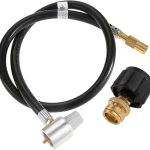
A cover limits rain and debris, but it does not replace drying and cleaning. Propane models need inspection of the hose, burner, ignition system, and connections. They also need a compatible propane cylinder and must remain upright during use and storage.
Using A Fire Pit With Less Smoke
A smokeless fire pit reduces smoke, but it cannot remove it completely. Dry wood, proper airflow, and regular cleaning help the pit burn more efficiently and limit smoke during use.
Best Practices For Lighting
The user should burn dry, seasoned firewood with low moisture. Wet or freshly cut wood creates more smoke, takes longer to ignite, and can leave extra soot inside the pit. Small hardwood pieces work well for starting the fire, while larger logs can maintain it.
The user should arrange the wood loosely so air can move through the stack. A small teepee or cross-stack structure gives the fire enough oxygen. After the fire catches, the user should add larger pieces gradually instead of placing several logs on a weak flame.
Smokeless designs need a hot fire to burn wood gases more completely. The user should avoid covering the pit, blocking its air holes, or burning household trash, treated lumber, leaves, or plastic. Those materials can create harmful fumes and damage the unit.
Wind can also affect smoke. The user should place the fire pit in an open area away from walls, low branches, and enclosed patios. Local fire rules and the manufacturer’s clearance requirements should always guide placement.
Cleaning And Airflow Care
Ash can block lower vents and reduce the airflow that supports a cleaner burn. Once the pit has cooled completely, the user should remove ash with a metal scoop or the tool recommended by the manufacturer. Ash should go into a covered, noncombustible container, not a plastic bin.
The user should inspect the air holes and double-wall openings for ash, soot, and small debris. A soft brush or vacuum designed for cool ash can clear buildup. The pit should never be cleaned while hot, and ash should not be blown into the air.
Moisture can cause rust and may make future fires smoky. The user should keep the pit covered when it is dry and fully cooled, then remove standing water before the next fire. They should check for warped parts, cracks, or blocked vents and replace damaged components before use.
Safety And Local Regulations
A smokeless fire pit still produces flames, heat, embers, and some smoke. Safe use depends on proper placement, supervision, approved fuel, and compliance with local fire rules.
Placement And Clearances
The fire pit should sit outdoors on a stable, noncombustible surface such as concrete, brick, or bare soil. It should stay away from wood decks, dry grass, fences, buildings, vehicles, and overhanging branches. The owner should follow the clearance distances in the manufacturer’s instructions because models vary.
A smokeless design does not make a covered patio or enclosed space safe. Carbon monoxide can build up in areas with limited airflow, and heat can damage roofs or nearby materials. The fire pit should remain in an open area with enough space for people to move away safely.
The operator should keep children and pets at a safe distance and never leave the fire unattended. A hose, bucket of water, or suitable fire extinguisher should remain within reach. After use, the operator should stop adding fuel, let the fire cool fully, and dispose of ash only when no heat remains.
Burn Bans And Community Rules
Local rules may limit or prohibit wood-burning fire pits, even when a smokeless model produces less visible smoke. Cities, homeowners’ associations, landlords, and parks may set separate restrictions on fuel, operating hours, noise, and placement. A propane model may be allowed where wood burning is not, but this depends on local law.
Before using the pit, the owner should check the local fire department, city, county, or air-quality agency for current requirements. Rules can change during droughts, poor air-quality events, or seasonal burn bans. Some areas require permits or prohibit fires on balconies, near property lines, or under roofed structures.
The operator should burn only the fuel listed by the manufacturer and avoid treated wood, trash, gasoline, and other accelerants. Following local rules also helps reduce sparks, odors, and conflicts with nearby residents.
FAQs
Are smokeless fire pits completely smokeless?
No. They reduce smoke by burning wood gases more completely, but they cannot remove it in every condition. Wet wood, poor airflow, overloading, and low heat can still create visible smoke.
How do they reduce smoke?
Most models use a double-wall design. Air moves through the outer wall, heats up, and enters the fire through openings near the rim. This secondary airflow helps burn gases that would otherwise escape as smoke.
Do smokeless fire pits produce more heat?
Many models create a hotter, more efficient fire than a basic fire pit. Heat output still depends on the pit’s size, fuel, airflow, and weather. Their tall flames may not warm everyone evenly.
What type of wood works best?
Dry, seasoned firewood works best. It should contain little moisture and fit below the pit’s maximum fill line. Damp wood usually produces more smoke and can reduce performance.
Do they need electricity or gas?
Most wood-burning models need neither. They rely on the fire and the pit’s airflow design. Some gas fire pits use different systems and should not be treated as wood-burning smokeless models.
Are they safe on a deck?
They can damage or ignite wood, composite, or other heat-sensitive surfaces. The manufacturer’s clearance rules should be followed, and a suitable heat shield may be needed. Local fire rules also apply.
How much maintenance do they require?
Owners should remove ash after the pit cools completely and keep airflow openings clear. They should also protect the unit from rain to limit rust and moisture buildup.
Conclusion
Smokeless fire pits do not remove smoke completely. They reduce it by using airflow to burn wood gases more fully, especially after the fire reaches a high temperature.
Performance depends on dry firewood, proper loading, and steady airflow. Wet wood, weak fires, and overfilling the pit can still create noticeable smoke. Wind and poor ventilation can also affect the experience.
They may suit people who want less eye irritation, fewer lingering odors, and more efficient wood use. However, they often cost more than standard fire pits and still produce heat, ash, and emissions.
Before buying, they should check local fire rules, the pit’s size, its weight, and the manufacturer’s safety guidance. The pit should sit on a stable, nonflammable surface with plenty of clearance from buildings, trees, and other materials.